Soil Health
Healthy soil is the foundation of a productive farm, yet it’s often the hardest asset to measure. Take the guesswork out of irrigation and nutrient management with Farmo’s soil solutions. Our high precision sensor monitors moisture, temperature and salinity at multiple depths - giving you real insights that help you optimise inputs, and maximise yields.
Soil Moisture Monitoring
Our soil probes measure moisture at various depths, showing you exactly how deep your irrigation or rainfall is penetrating, and when to irrigate.
Soil Temperature Monitoring
Use accurate soil temperature data to determine the perfect window for planting and germination, crop development and seasonal planning.
Recommended Device
- Regular price
- $1,299.00 AUD
- Sale price
- $1,299.00 AUD
- Regular price
-
- Unit price
- / per
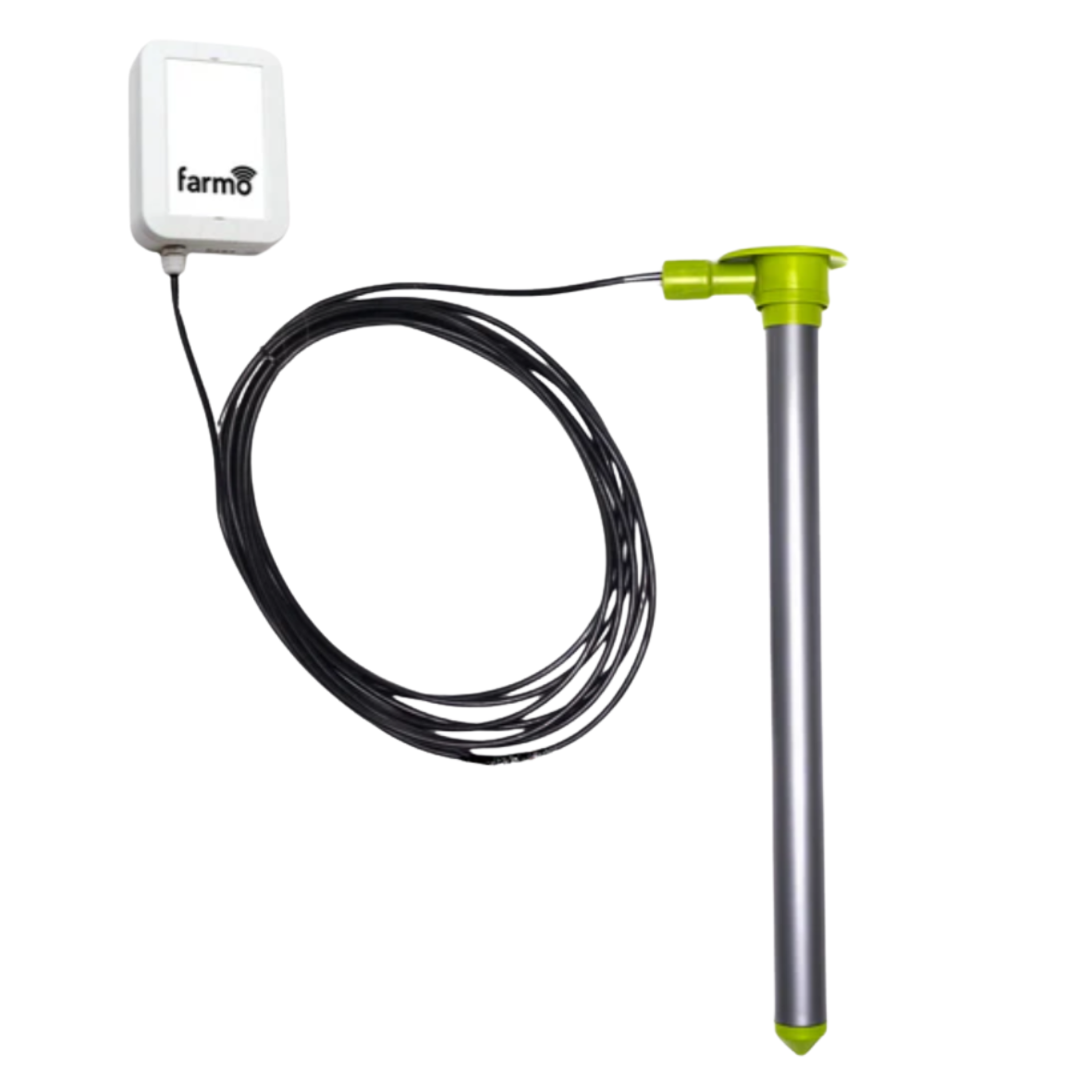
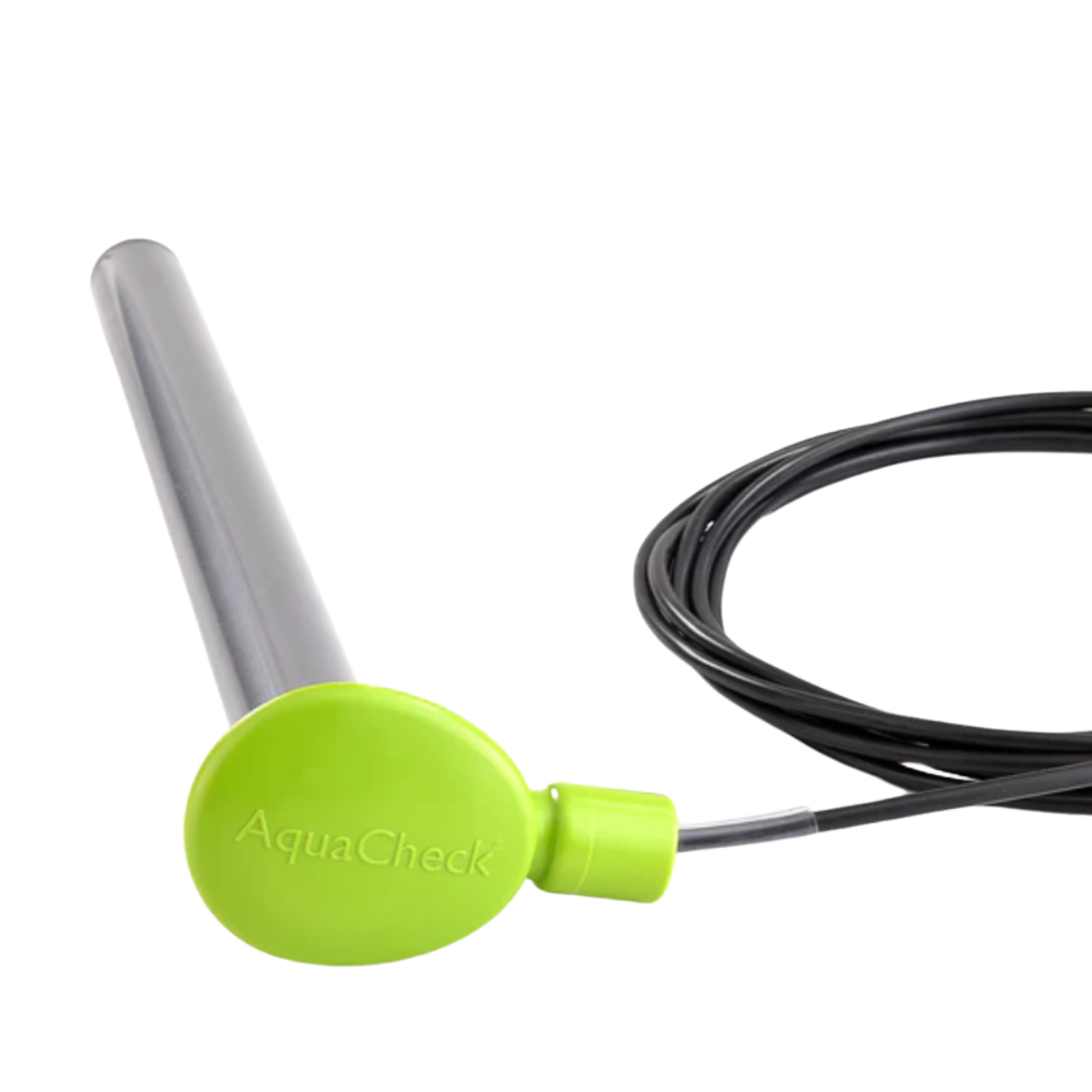
The Multi-depth Soil Moisture and Temperature sensor includes a 60cm Aquacheck probe that reports soil moisture and temperature at 10cm, 20cm, 30cm, 40cm, 50cm and 60cm depths. By default soil moisture and temperature is reported at 9am every day. More frequent measurements can be configured if required.
The SIM card, battery, telemetry unit, probe and cable are all included. Provided you have mobile network coverage on site you can simply install the probe, activate the unit and monitor your soil conditions remotely via the Farmo App.
Increase yield, improve crop quality, save water and electricity costs by measuring soil moisture and temperature at multiple depths.
The AquaCheck factory calibrates these probes to read 0 in air and 100 in water. Please note the value returned IS NOT a % of soil moisture, but a scaled frequency unit (SFU). It is also not linear with moisture.
Use the Multi-Depth Soil Probe to manage irrigation by linking soil moisture data to the Farmo Remote Pump Control or Remote Relay Switch. A high SFU value, representing field capacity, is used to turn irrigation off, while a low SFU value, representing the refill point, triggers irrigation to begin. This setup helps maintain soil moisture between the two levels. The ideal trigger points can be estimated using historical data and fine-tuned over time as more data is collected.